July 6, 2026
Understanding the importance of waterproofing your home foundation can help prevent costly repairs and maintain the structural integrity of your property. This article explores key waterproofing services that support foundation protection, moisture control, and long-term durability of residential structures. Proper waterproofing services help reduce water intrusion risks and support a healthier, more stable home environment. These systems are often tailored to the specific conditions affecting a property’s foundation and surrounding soil.
Critical Foundation Waterproofing Systems
Preventing Structural Damage
Foundation waterproofing plays a key role in preventing structural deterioration caused by water intrusion. Over time, moisture can weaken foundation materials, contribute to cracking, and place stress on below-grade walls. Addressing water intrusion early through waterproofing services and drainage solutions helps reduce the risk of long-term structural issues. Soil conditions around a home can also shift when exposed to excess moisture, which may place additional pressure on the foundation system. These conditions can worsen if moisture pathways are not properly controlled through targeted interventions.
Protecting Indoor Air Quality
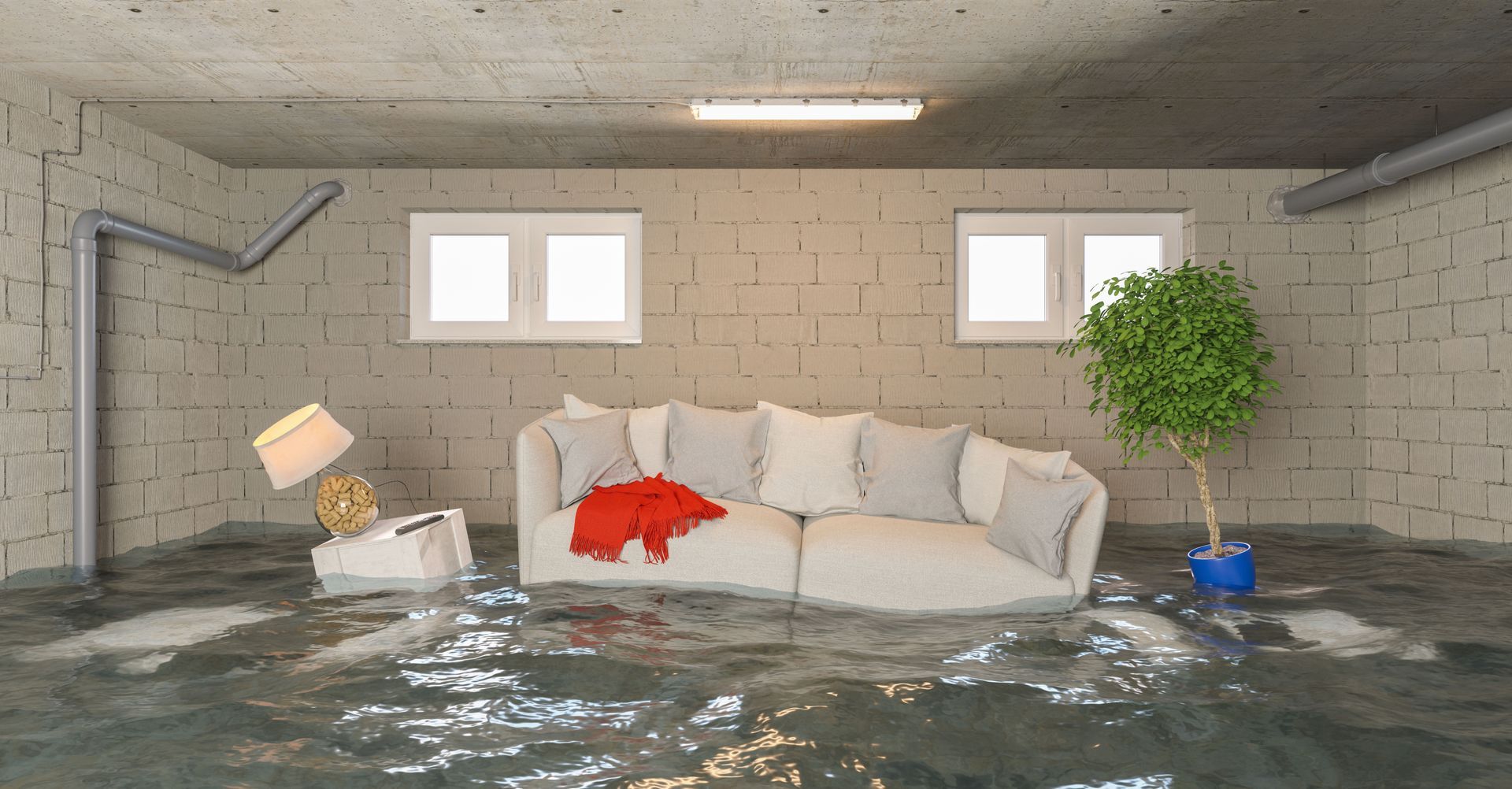
Managing moisture levels in and around the foundation is important for maintaining healthy indoor air quality. Excess moisture can contribute to mold and mildew growth, which may affect interior environments if left unaddressed. Proper waterproofing services help reduce the likelihood of persistent damp conditions in basements and crawl spaces, supporting a drier indoor environment overall. According to RAND, homes that experience recurrent flooding are 50% more likely to have visible mold growth. This highlights the importance of controlling water intrusion before it impacts interior air conditions.
Key Waterproofing Methods
Exterior Waterproofing Solutions
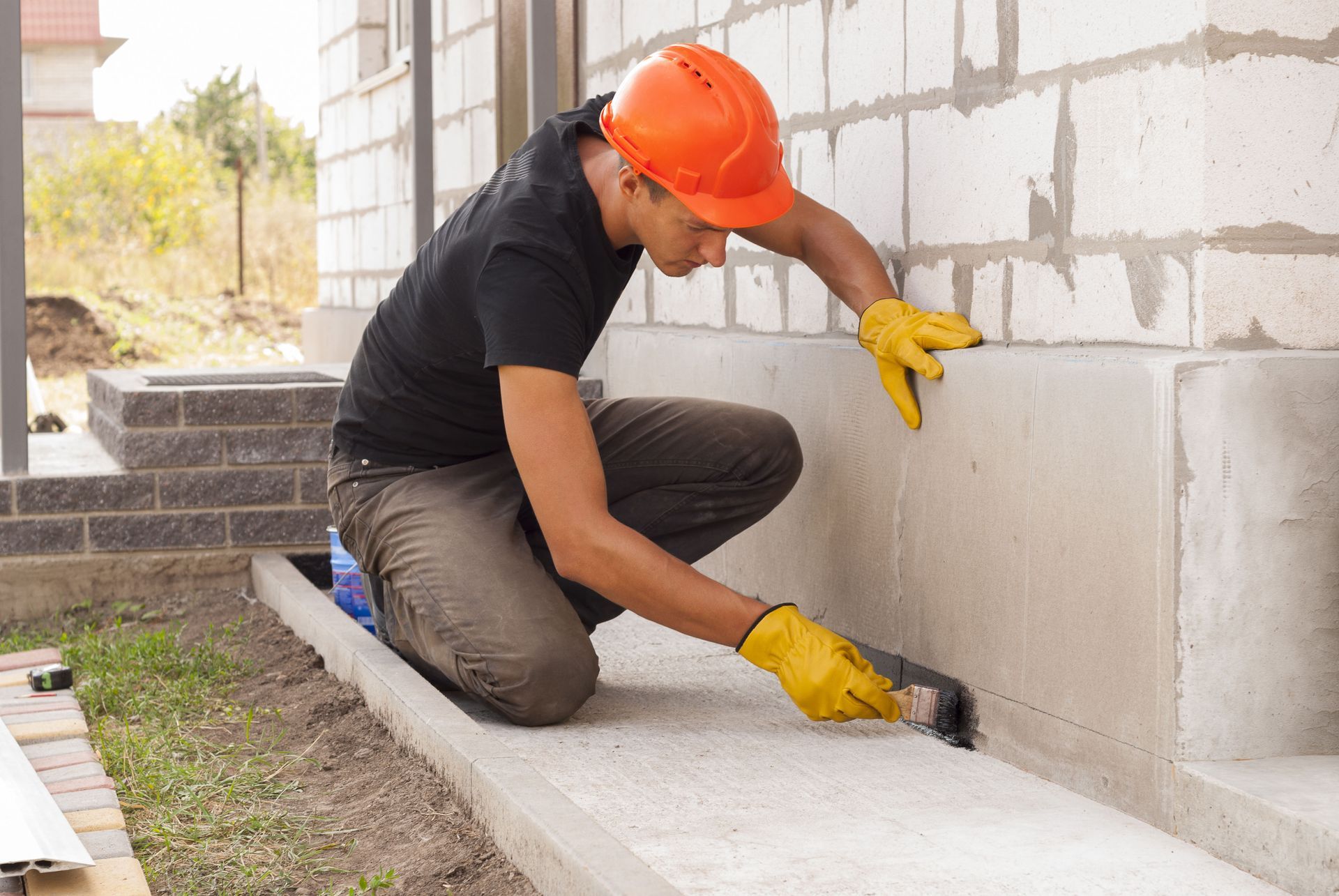
Exterior waterproofing solutions focus on preventing water intrusion by addressing conditions around the foundation before moisture enters the structure. These methods may include exterior foundation excavation to expose and treat foundation walls, along with the application of waterproof membranes designed to create a moisture-resistant barrier. Exterior drainage systems can also be installed to help redirect water away from the foundation, reducing pressure buildup around below-grade walls. Together, these solutions help limit water exposure at the source and support long-term foundation protection. In many cases, exterior waterproofing services are used as a primary defense against groundwater intrusion.
Interior Sealant Applications
Interior waterproofing methods are used to help manage moisture that may enter through foundation walls or floors. Waterproof coatings and sealants can be applied to reduce surface-level water penetration and help control minor seepage. These systems are often used in combination with drainage and sump pump solutions to manage water that collects within basement environments. Interior waterproofing services are typically applied when exterior access is limited or when additional reinforcement is needed.
Drainage System Installations
Installing drainage systems plays an important role in managing water around the foundation. French drain systems can be installed to help redirect water away from the structure and reduce soil saturation near foundation walls. Interior and exterior drainage solutions work alongside sump pump systems to collect and move water away from vulnerable areas of the home. These systems help relieve hydrostatic pressure and support a drier, more stable foundation environment over time. Drainage-related waterproofing services are often a core part of comprehensive moisture control strategies.
Common Water Damage Signs
Cracks in Foundation Walls
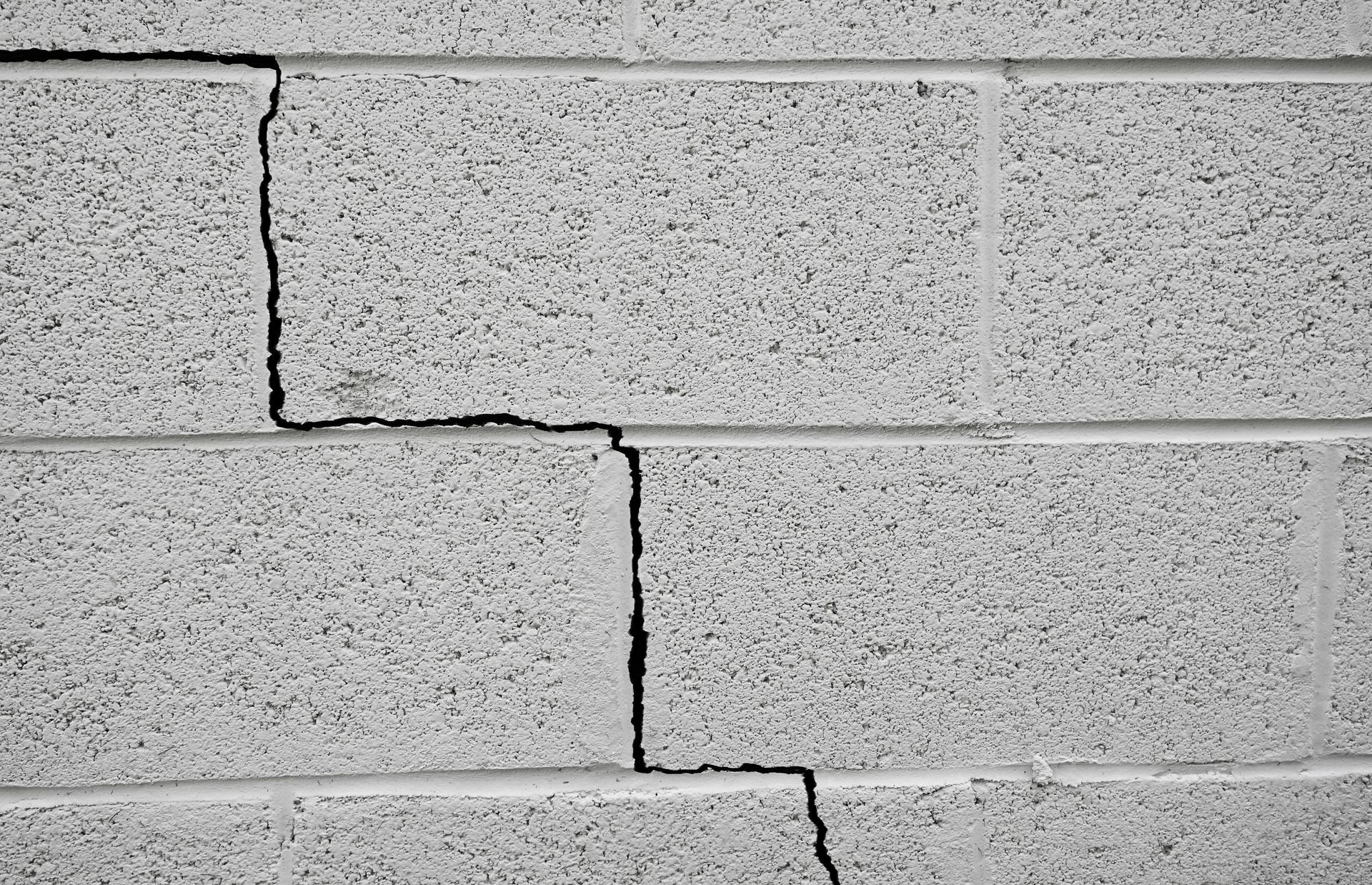
Cracks in foundation walls may indicate movement or pressure caused by surrounding soil conditions and moisture exposure. Even small cracks can allow water to enter the structure over time. Regular inspection of foundation surfaces can help identify these issues early so that appropriate waterproofing services or repair solutions can be applied. Addressing these conditions early helps reduce the likelihood of more extensive structural damage developing over time.
Unnatural Dampness in Basements
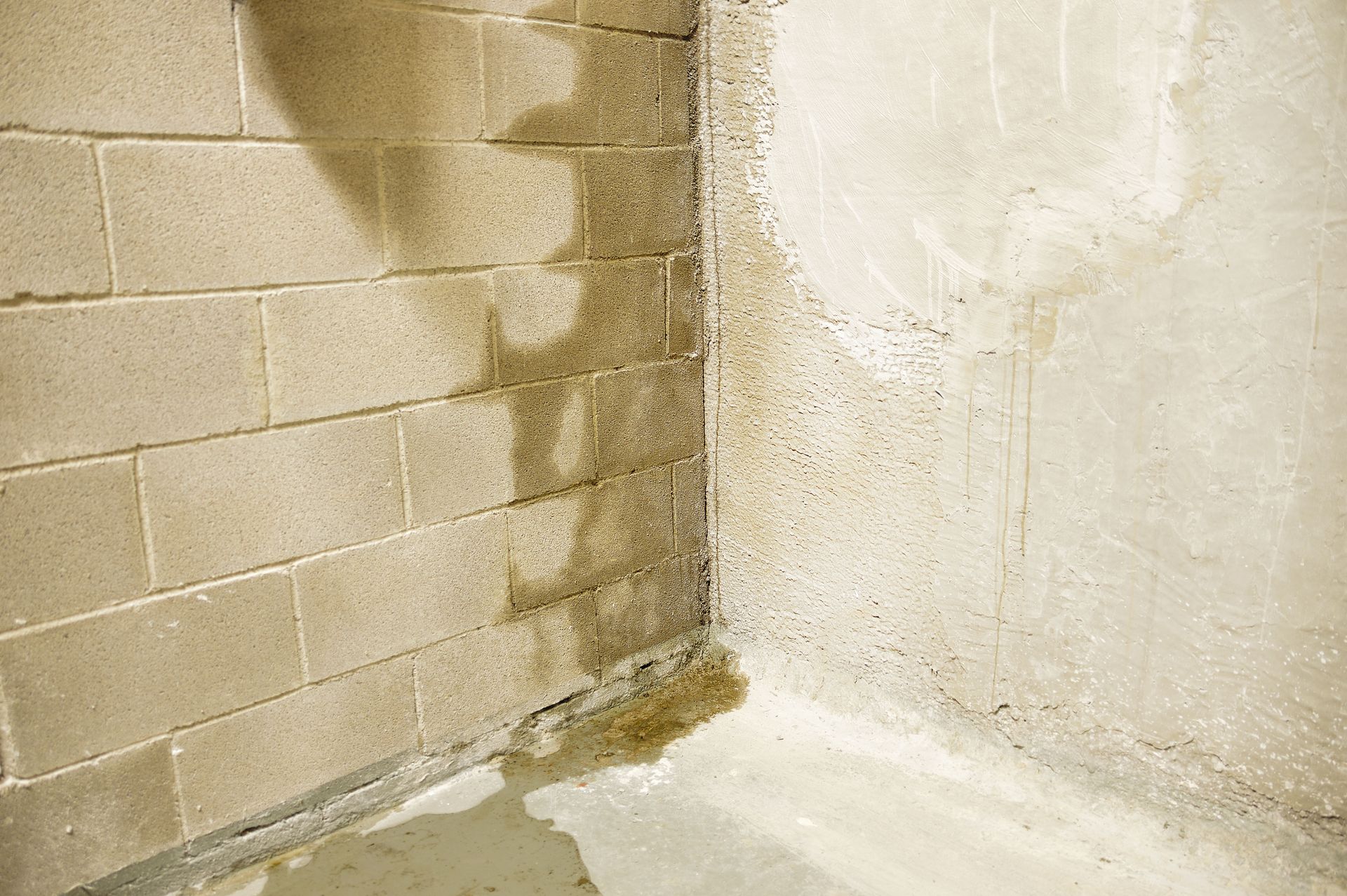
Persistent dampness in basement areas often signals moisture intrusion through foundation walls or floors. Identifying the source of moisture is important for determining the appropriate waterproofing approach. Drainage systems and sealing solutions are commonly used to reduce moisture accumulation in these spaces. Ongoing damp conditions may indicate the need for updated waterproofing services to improve moisture control performance.
Practical Professional Waterproofing Approaches
Assessing the Complexity of Issues
Determining whether waterproofing work can be handled independently depends on the severity and scope of the moisture issue. Minor surface treatments may be manageable in some cases, while more complex foundation or drainage problems typically require professional evaluation. Proper assessment of water intrusion sources is important for selecting the correct solution. In many cases, professional waterproofing services are required to fully address underlying system failures.
Cost Comparison
Waterproofing approaches can vary in cost depending on the complexity of the system required. Simpler surface treatments may involve lower upfront costs, while full drainage or foundation systems represent larger investments. The appropriate solution depends on the extent of moisture intrusion and the long-term needs of the property. Cost considerations are often evaluated alongside the scope of waterproofing services needed for the structure.
Evaluating Safety and Effectiveness
Waterproofing systems must be installed correctly to function effectively over time. Improper application of materials or incorrect system design can reduce performance. Professional installation helps ensure that drainage, sealing, and moisture control systems are integrated properly to address the source of water intrusion. This level of precision is often achieved through structured waterproofing services designed for long-term performance.
Important Waterproofing Contractor Selection
Researching Contractor Qualifications
Selecting a waterproofing contractor involves reviewing their experience with basement waterproofing, crawl space systems, drainage solutions, and foundation repair work. It is important to evaluate whether they regularly handle the type of water intrusion issues present in the home. A contractor familiar with both interior and exterior waterproofing systems is typically better equipped to assess and resolve complex moisture problems. Licensing and insurance status should also be confirmed prior to project approval. Many homeowners rely on established waterproofing services to ensure consistent results.
Reviewing Customer Testimonials
Customer feedback can provide insight into the quality of past waterproofing work performed by a contractor. Reviews may highlight experience with drainage installations, foundation sealing, or crawl space moisture control. Evaluating multiple sources of feedback can help form a clearer understanding of overall service consistency. This information can also reflect how effectively waterproofing services were delivered across different project types.
Key Foundation Waterproofing Advantages
Extended Foundation Lifespan
Waterproofing systems help reduce long-term exposure to moisture, which can contribute to foundation deterioration. By controlling water intrusion through drainage and sealing solutions, the overall lifespan of foundation structures can be supported over time. Consistent maintenance and properly installed waterproofing services help preserve structural integrity across varying environmental conditions.
Prevention of Future Water Issues
Proper waterproofing helps reduce the likelihood of recurring moisture problems by addressing the pathways through which water enters the structure. Combining drainage systems with foundation protection measures supports long-term moisture management. These waterproofing services are designed to minimize future disruptions caused by water intrusion.
Improved Home Energy Efficiency
Moisture control in basements and crawl spaces can support more stable indoor temperature conditions. Reducing dampness helps insulation systems perform more effectively, which can contribute to improved overall energy efficiency. Effective waterproofing services play a supporting role in maintaining consistent environmental conditions within the home.
Waterproofing a home foundation relies on a combination of drainage systems, sealing applications, and moisture control solutions designed to help limit water intrusion and support long-term structural stability. Recognizing early signs of moisture issues and choosing appropriate corrective measures can play an important role in maintaining a dry, functional home environment. With the right approach in place, homeowners can better manage foundation conditions and reduce the risk of ongoing water-related concerns. To learn more about available solutions, contact Basement Waterproofing Solutions.