November 4, 2026
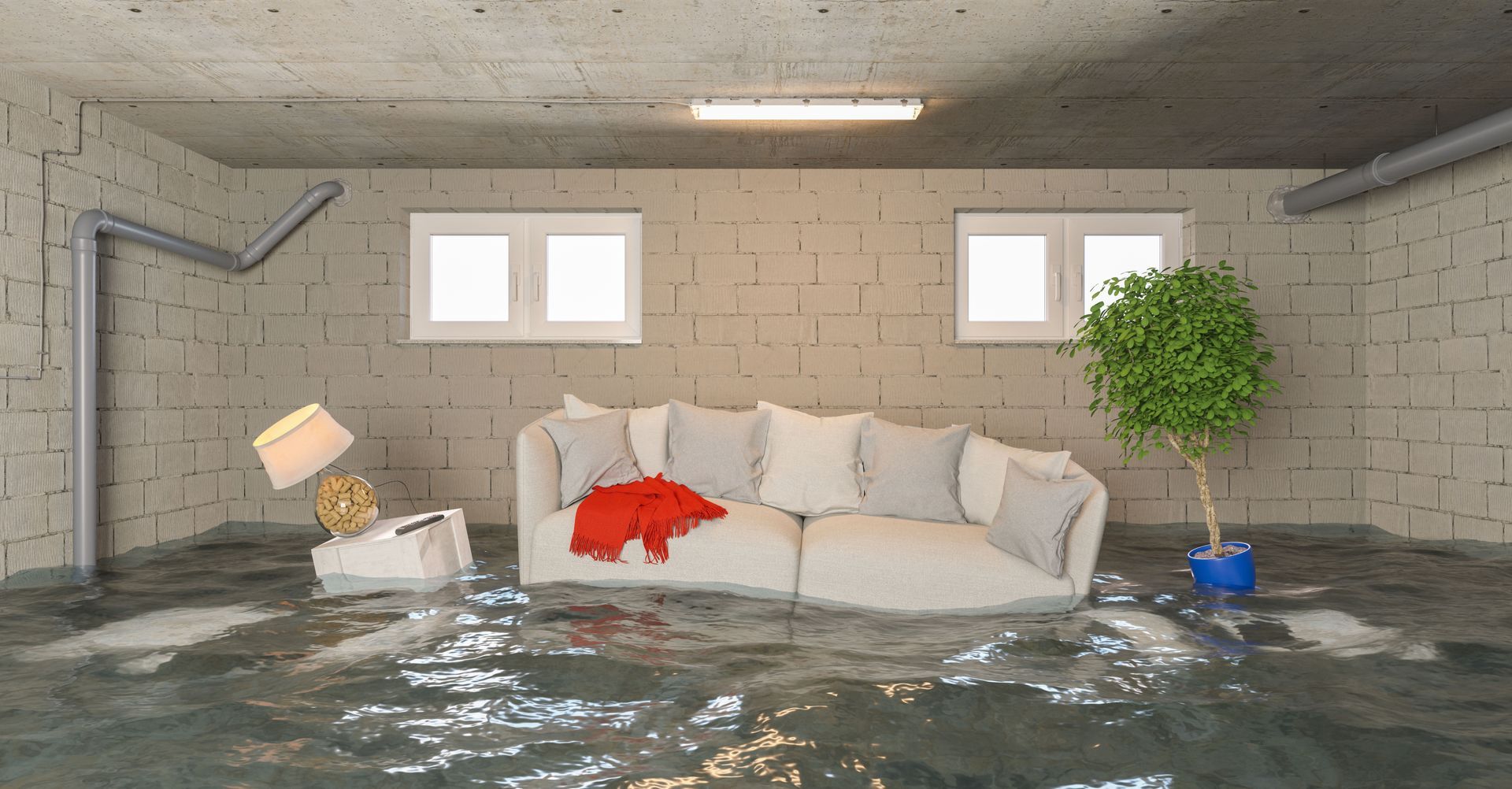
Discovering damp spots, wet patches, or streams of trickling moisture along lower foundation surfaces is among the most unsettling experiences a property owner can face. A dry subterranean area is essential for protecting structural stability, indoor air quality, and stored belongings. Moisture invasion frequently happens quietly, starting as subtle discoloration before evolving into pervasive water seepage that ruins drywall, carpets, and wood framing.
Understanding the underlying forces that drive moisture inward is the essential first step toward reclaiming your lower level. Subterranean building materials might seem solid, yet they are vulnerable to the intense physical pressures and environmental forces present in surrounding soil. When moisture issues appear, partnering with a dependable basement waterproofing company allows property owners to resolve subterranean water infiltration before small leaks escalate into extensive damage.
Examining Hydrostatic Pressure in Surrounding Soils
Soil surrounding any subterranean structure absorbs significant amounts of rainfall and melting snow, acting like a massive sponge that expands and swells. When the earth becomes oversaturated, excess liquid gathers along the perimeter of the foundation walls. This saturation creates hydrostatic pressure, a relentless physical force exerted by standing water against exterior masonry surfaces. Because liquids naturally migrate from zones of intense pressure toward empty spaces, moisture forces its way inward through microscopic pores, mortar joints, and tiny fissures.
The composition of surrounding soil dramatically influences how intensely this pressure develops. Clay soil retains moisture for extended durations, swelling significantly and creating sustained lateral forces against concrete blocks and poured walls. Sandy soils drain moisture somewhat faster, yet they can still generate strong hydrostatic force during torrential downpours. Once pressure accumulates, standard masonry simply lacks the natural impermeability required to resist persistent fluid movement without specialized interior or exterior barriers.
Identifying Exterior Drainage System Failures
Exterior drainage systems serve as the initial defense against ground saturation, directing surplus roof runoff and surface water far away from structural boundaries. When roof gutters clog with fallen leaves, twigs, and seasonal debris, heavy rainwater spills over the edges and cascades directly against foundation footings. This concentrated sheet of runoff overburdens the surrounding earth, creating an artificial water table immediately adjacent to basement walls. Downspouts that terminate adjacent to exterior corners create identical saturation hazards.
Subsurface perimeter drains can also suffer severe functional breakdowns over extended periods. Perforated drain pipes buried beneath the frost line frequently accumulate silt, mud, and intrusive tree roots that obstruct natural gravity drainage. When these subterranean channels fail, captured ground water reverses direction and collects against foundation footings. Engaging an experienced basement waterproofing company ensures that subterranean drainage paths undergo proper scoping, clearing, and repositioning to alleviate pooling runoff.
Evaluating Lateral Soil Expansion and Shrinkage
Foundation movement often traces back to the cyclical expansion and contraction of adjacent soil layers. During extended wet periods, expansive soils absorb moisture and swell substantially, generating powerful lateral earth pressures against vertical foundation faces. Conversely, dry summer weather bakes the upper earth, causing soil to shrink, pull away from the foundation perimeter, and create deep surface trenches. When precipitation returns abruptly, these trenches funnel immense volumes of surface runoff straight toward subterranean walls.
This ongoing physical cycle produces alternating periods of severe structural load followed by abrupt loss of lateral support. The uneven stress weakens mortar bonds in cinder block walls and produces horizontal shear stress across poured concrete. Over time, recurring stress creates micro-fissures that provide clear conduits for ground moisture. A seasoned basement waterproofing company assesses whether lateral soil movement has compromised the vertical integrity of the wall assembly or caused progressive inward deflection.
Analyzing Foundation Settling and Structural Cracking
Natural structural settling represents another primary mechanism that allows exterior liquid to penetrate subsurface living spaces. Every residential dwelling experiences some degree of gradual downward movement as soil consolidates beneath the footing footprint. When soil settling occurs uniformly across the entire structural perimeter, structural distress remains minimal. However, differential settlement—where one corner or section sinks faster than adjoining areas—creates severe torsional stress throughout concrete assemblies.
Differential settlement inevitably causes distinctive cracking patterns across basement surfaces, including stairstep cracks along masonry joints and vertical fractures that expand upward from foundation corners. These openings completely breach the original exterior barrier, providing direct pathways for pressurized groundwater. When foundational movement compromises masonry integrity, consulting a reputable basement waterproofing company helps homeowners determine whether crack injection, structural reinforcement, or soil stabilization is required to halt continuous seepage.
Addressing Concrete Porosity and Capillary Suction
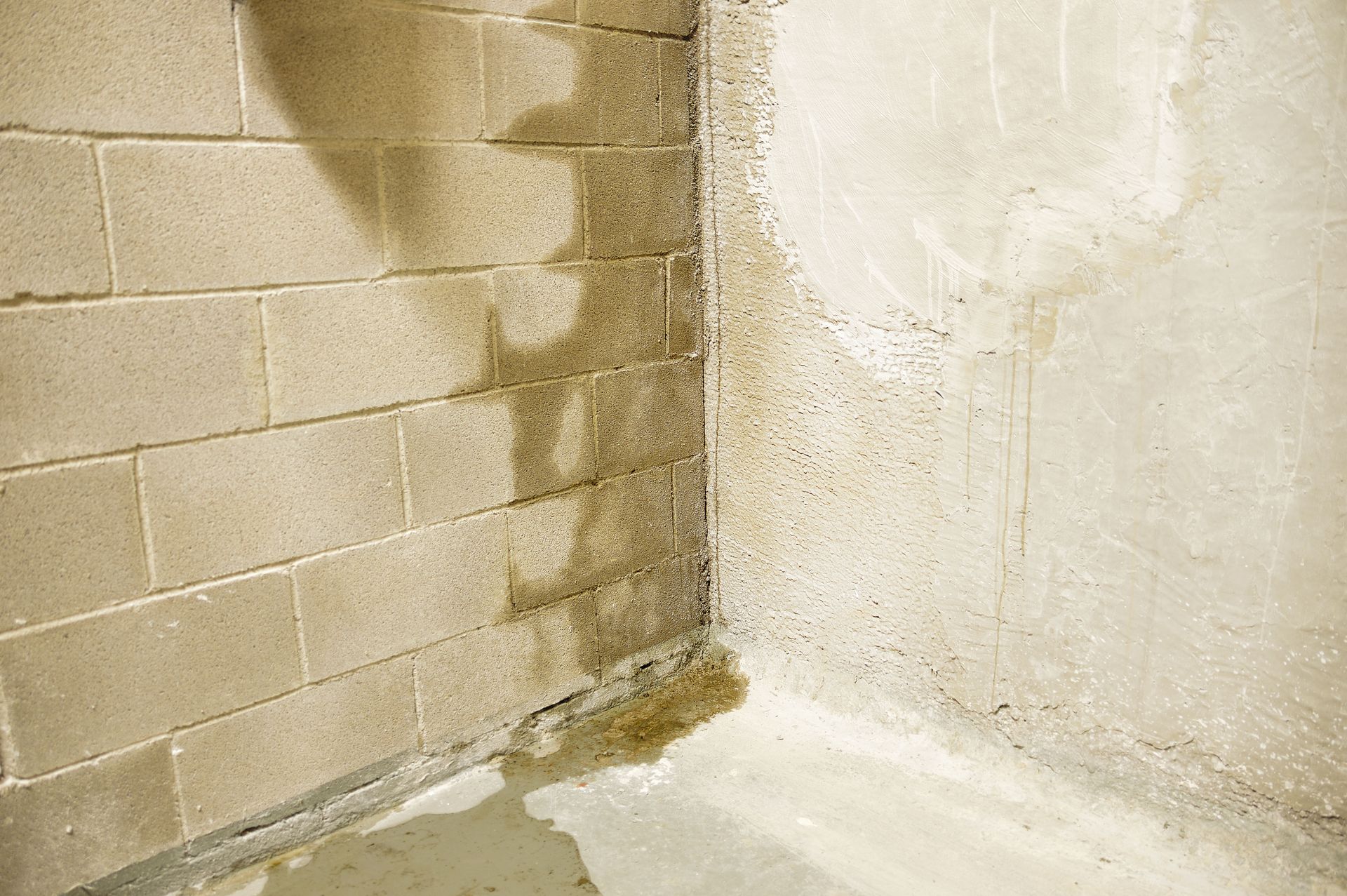
Poured concrete and concrete masonry units appear impenetrable, yet both materials possess a porous internal network of microscopic capillaries. During original construction, water evaporates out of curing concrete mixtures, leaving behind millions of minute subterranean tunnels and air pockets. Even in the total absence of large cracks, dense concrete pulls moisture through its internal matrix via capillary action, an adhesive physical force that allows liquids to defy gravity and migrate horizontally.
Capillary suction draws persistent groundwater from damp exterior backfill through the entire thickness of the wall, depositing moisture directly into interior air. This migration manifests as powdery efflorescence, peeling paint, damp wallpaper, and chalky mineral salts along interior surfaces. Because simple surface sealers cannot resist continuous capillary suction, working with a qualified basement waterproofing company ensures the installation of resilient, breathable moisture barriers and interior drainage channels designed to manage persistent capillary movement.
Preventing Window Well Flooding and Infiltration
Subterranean window wells introduce vulnerable entry points below the natural exterior ground grade, making them frequent sources of wall leakage. These recessed openings capture falling rain, melting snowdrifts, and surface runoff from nearby lawns and patios. Without adequate protection, an uncovered window well acts as a funnel, capturing gallons of water that pool directly against basement window frames, glass panes, and surrounding rough masonry openings.
Flooding inside window wells occurs when gravel layers at the base become choked with dead vegetation, lawn cuttings, and fine soil particles. Once the drainage pipe within the well clogs, rising pooled water presses against window seals that were never engineered to withstand immersion. Water then pours through framing gaps, runs down interior drywall, and pools onto basement floors. An established basement waterproofing company restores reliable window well drainage by excavating contaminated gravel, clearing drainage lines, and securing custom clear covers.
Investing in Long-Term Foundation Protection
Resolving subterranean water problems requires addressing the root causes of moisture migration rather than merely masking superficial symptoms. Inward seepage degrades indoor air quality by promoting mildew propagation, damages costly building materials, and steadily weakens the load-bearing capacity of the foundation. According to HomeGuide, quality basement waterproofing systems last 10 to 30 years or more, demonstrating that durable, properly engineered moisture management delivers lasting property security. Selecting proven remediation strategies preserves subterranean spaces for comfortable living, functional storage, and dependable safety.
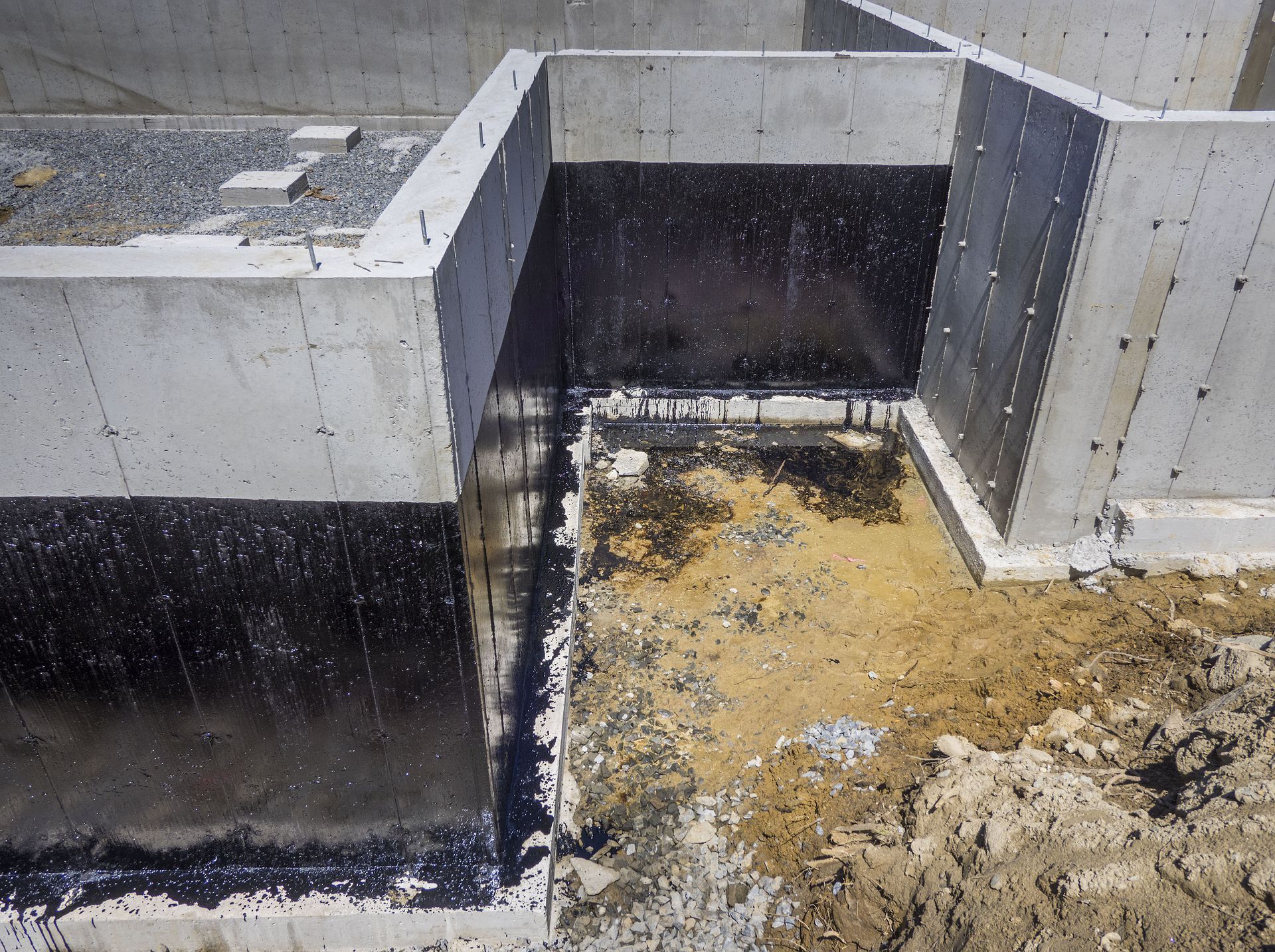
Modern remediation strategies combine several interior and exterior elements to deliver comprehensive moisture defenses. Typical solutions include installing interior perforated drainage tiles, high-volume sump pump configurations, vapor-retarding perimeter wall panels, exterior waterproofing membranes, and exterior regrading. Securing an assessment from a certified basement waterproofing company provides a clear diagnosis of specific soil pressures and drainage conditions. With comprehensive moisture control in place, home interiors remain comfortably dry, structural foundations stay sound, and long-term property values remain completely protected against subterranean moisture hazards.
Protect your property against foundation damage and persistent subterranean leaks by contacting the skilled professionals at Basement Waterproofing Solutions today.