June 2, 2026
The integrity of a residential structure relies heavily on the condition of its lowest point, yet subsurface moisture consistently threatens this foundation. Basement water damage leads to costly repairs, compromised structural stability, and long-term environmental hazards within the living space. Understanding how to manage subsurface water migration is crucial for maintaining the safety, structural soundness, and overall market value of a home.
Property owners must look beyond temporary fixes and recognize that comprehensive basement waterproofing requires a strategic, multi-layered approach. By implementing sophisticated diversion strategies and structural barriers, you can shield your property investment from the destructive forces of hydrostatic pressure and soil saturation. Ongoing maintenance combined with advanced architectural solutions contributes to sustained protection against potential water infiltration. This article explores professional methodologies designed to mitigate moisture risks, ensuring a dry, stable underground environment. Through proactive management, properties remain resilient against changing environmental conditions and severe weather patterns. This comprehensive overview details how structural engineering and environmental design converge to preserve the subterranean envelope of your home against natural degradation.
Identifying Moisture Sources
Identifying the precise entry points of subsurface moisture is the initial step in establishing a secure residential foundation. Water frequently penetrates below-grade spaces through vertical foundation cracks, compromised window wells, and degraded seals around utility penetrations. These physical vulnerabilities allow external moisture to seep inward, particularly during periods of intense precipitation or rapid snowmelt. Thorough diagnostic inspections are required to isolate these entry pathways before any secondary remedial measures can be applied. External soil composition also influences this infiltration, as expansive clay soils retain water longer than sandy mixtures, accelerating structural fatigue. Capillary action can also draw moisture upward from the water table through porous concrete footings, creating a continuous dampness that requires advanced diagnostic tools to locate.
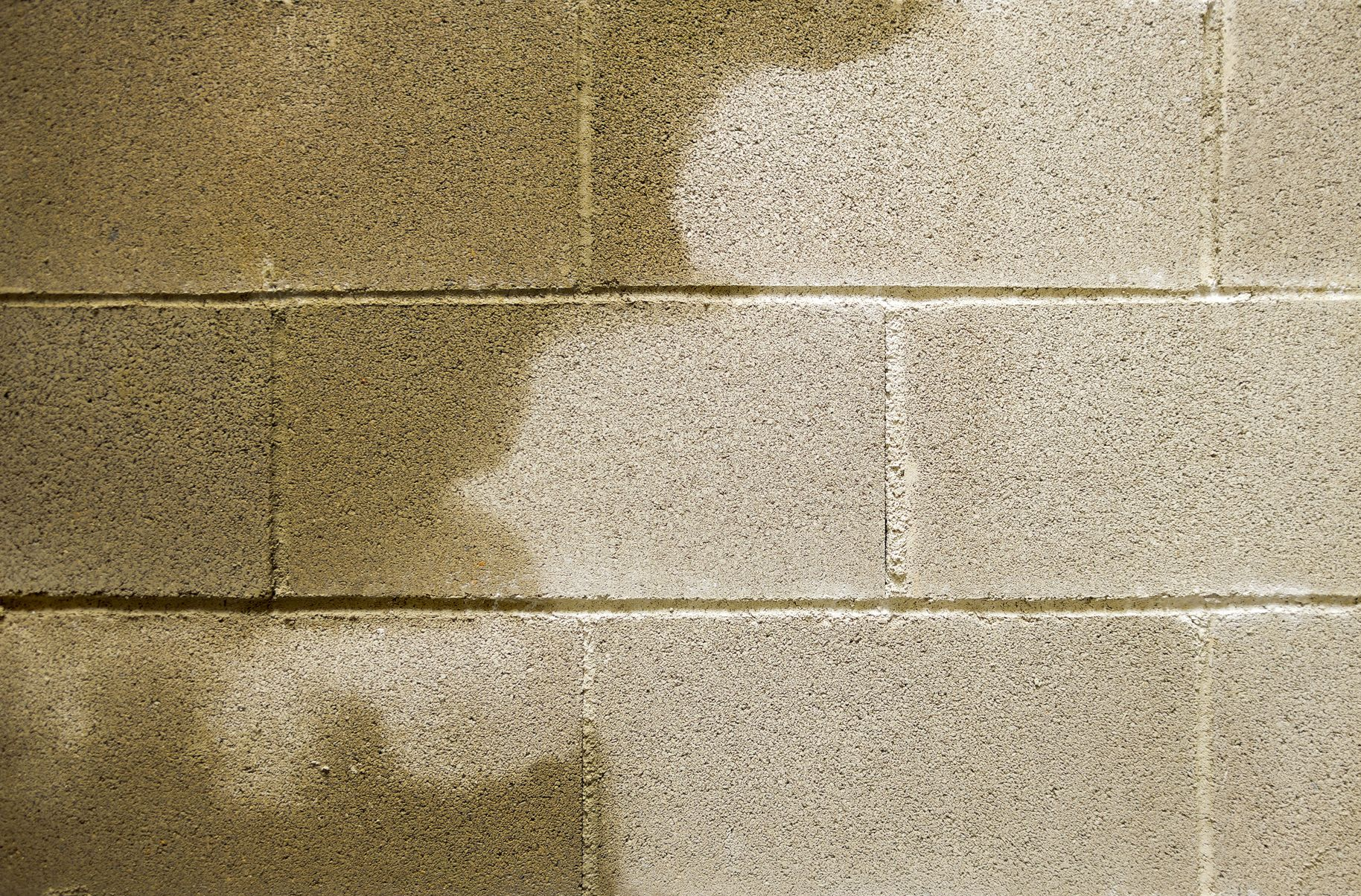
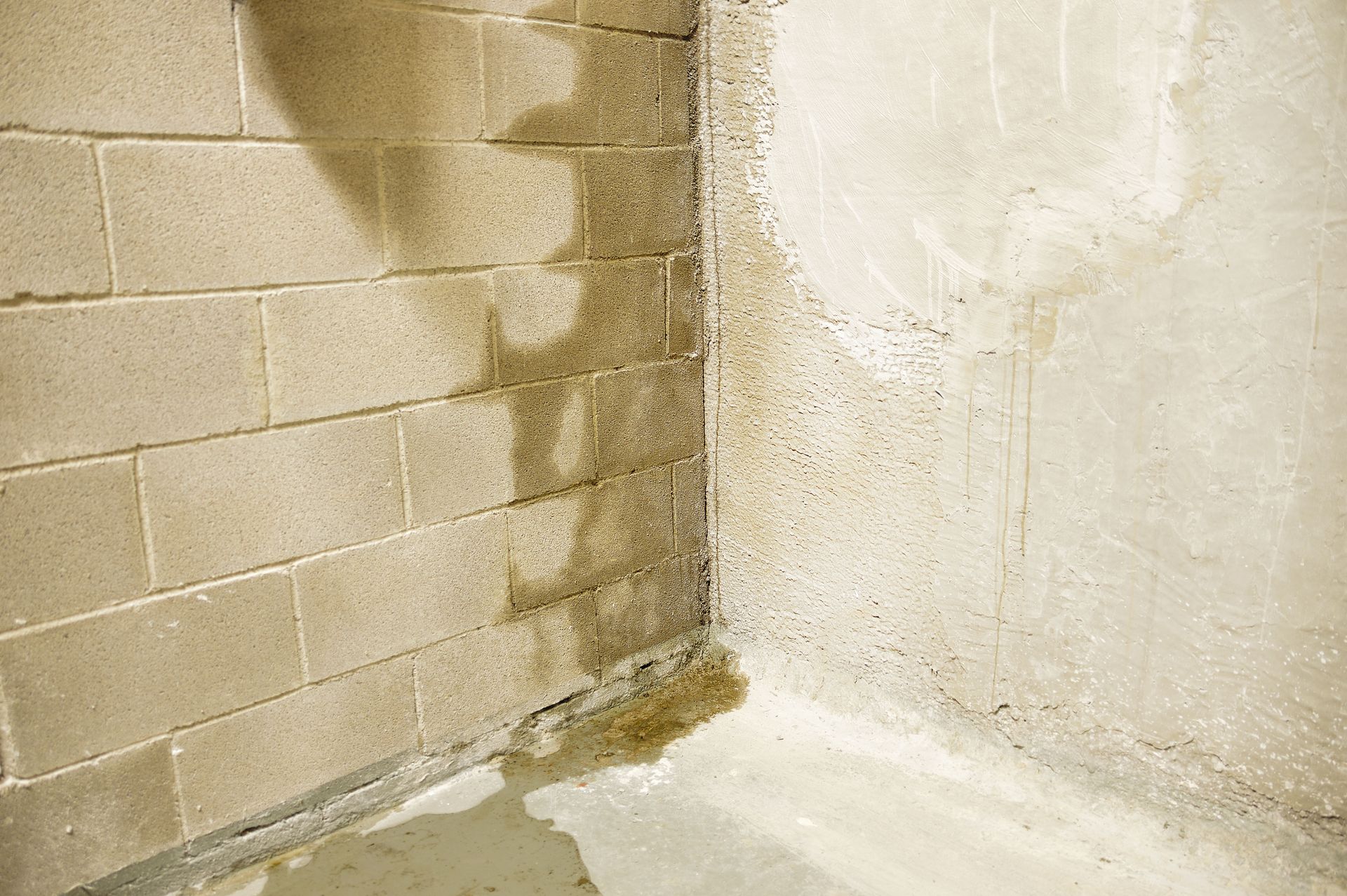
Recognizing the subtle, early indicators of humidity accumulation prevents minor leaks from escalating into severe structural degradation. Persistent musty odors, localized efflorescence on masonry walls, and condensation pooling on cold metallic surfaces signify elevated relative humidity. If left unmanaged, these conditions foster microbial proliferation, which damages building materials and lowers indoor air quality. Addressing these underlying moisture symptoms promptly safeguards physical building components and preserves a healthy indoor climate. Homeowners must maintain acute awareness of these environmental shifts to protect structural woodwork and drywall from rotting from the inside out. Early detection not only reduces eventual repair bills but also maintains a stable baseline for indoor climate control systems throughout changing seasons.
Managing Exterior Drainage
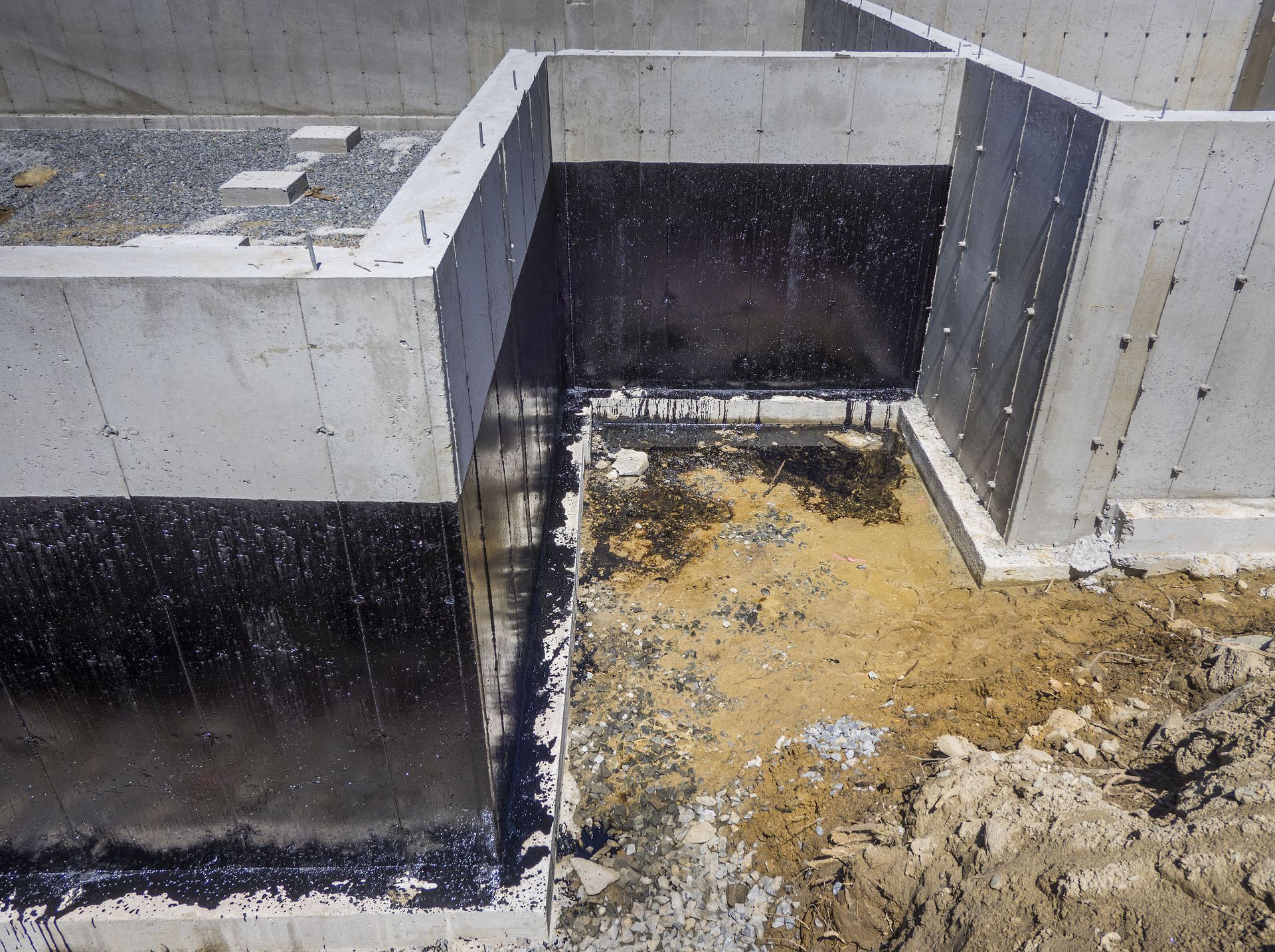
Deflecting external water away from structural footings forms the primary line of technical defense for residential properties. Soil saturation surrounding a foundation generates immense lateral pressure that forces liquid water through porous concrete and minor structural imperfections. Utilizing professional basement waterproofing methods on exterior surfaces creates an impermeable barrier that blocks moisture before it encounters the foundation wall. This method typically involves applying specialized elastomeric membranes or liquid rubber coatings directly to the exterior subterranean masonry. These specialized coatings flex alongside natural foundation shifts, ensuring long-term defense against seasonal soil expansion. This thick external barrier serves as a resilient shield, deflecting aggressive groundwater away from fragile masonry seams.
To complement these exterior barriers, professional drainage configurations must be installed to collect and redirect groundwater. French drains, which utilize perforated pipes bedded in washed gravel, gather excess subsurface water and channel it safely away from the residential footprint. Proper architectural grading further assists this process by sloping the ground surface downward away from foundation walls to eliminate surface pooling. This combined external management strategy eliminates standing water, minimizes lateral soil pressure, and prevents pooling near critical structural elements. When implemented correctly, these comprehensive external systems effectively neutralize groundwater threats long before moisture can touch interior living zones.
Implementing Interior Barriers
When external excavation is restricted by localized landscape features or property boundaries, interior moisture control systems provide an alternative mechanism for maintaining dry spaces. Professional basement waterproofing technicians utilize heavy-duty vapor barriers and specialized crystalline coatings on interior masonry to restrict vapor transmission through basement floors and walls. These specialized interior applications prevent moisture from migrating into finished spaces, thereby reducing overall humidity and controlling ambient moisture levels. These products penetrate deeply into concrete pores, chemically reacting with moisture to create an internal crystalline shield against dampness. This chemical blocking action seals the natural porosity of old concrete, turning an open pathway into a solid defense line.
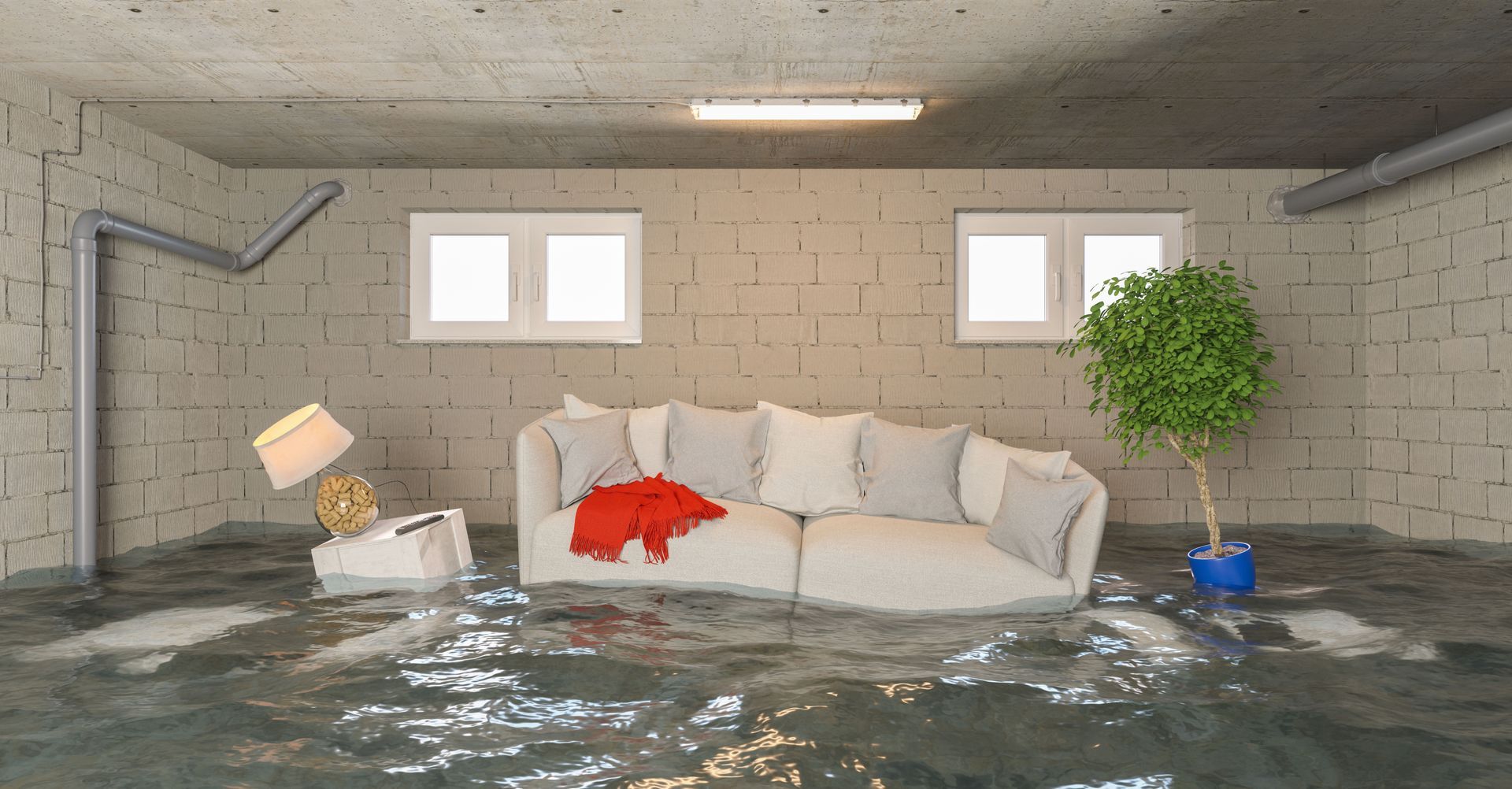
Managing water that passes through the foundation requires an integrated sub-floor drainage system connected to automated pumping equipment. Perimeter channels installed beneath the concrete floor slab collect weeping water and direct it into a centralized collection basin. An industrial sump pump then expels the collected water out of the building envelope, preventing localized flooding during severe weather. This interior approach manages unavoidable water intrusion by controlling its path and removing it safely from the premises. By establishing these internal pathways, property owners ensure that any unforeseen seepage is quickly captured and evacuated without ruining floors or possessions.
Maintaining System Integrity
Sustained protection against underground water intrusion requires strict adherence to a professional maintenance schedule for all installed systems. Comprehensive drainage evaluations should be conducted seasonally to clear debris from gutters, downspouts, and external discharge lines. Obstructed roof drainage systems cause rainwater to overflow and accumulate directly alongside foundation footings, overwhelming subterranean systems. Ensuring that water discharge points remain unobstructed allows municipal rainwater runoff to flow away from vulnerable structural points. Regular landscape assessments help detect if soil settling has reversed the slope of the land toward the house over time. Property owners must track these small shifts to ensure that surface water consistently migrates toward public storm drains.
Mechanical components, particularly automated sump pumps and backup battery systems, require routine testing to ensure operational readiness during sudden weather events. These proactive steps align with industry trends, as according to the 2025 LinkedIn market analysis, which projected the North American basement waterproofing market will grow at a 6% CAGR through 2030, driven by extreme weather conditions. Checking discharge valves and clearing sediment from collection basins ensures that mechanical infrastructure operates correctly when environmental pressures peak. Professional technicians can identify early signs of mechanical wear, preventing catastrophic pump failures during peak spring thawing periods.
Planning Architectural Enhancements
Long-term residential preservation involves integrating moisture-control principles into broader property improvement projects and landscaping layouts. Advanced landscaping plans utilize specific grading layouts, retaining walls, and deep-rooted native vegetation to manage surface water distribution naturally. Selecting appropriate flora stabilizes surrounding soils and increases natural water absorption, reducing the volume of liquid reaching subterranean walls. These intentional landscape designs enhance the aesthetic appeal of a property while serving as a functional buffer against heavy rainfall. This deliberate planning minimizes the environmental load placed upon subterranean structural barriers throughout the year. Strategic placement of walkways and patios also helps direct heavy downpours far beyond the immediate perimeter of the house.
Incorporating modern smart-home monitoring systems introduces automated precision to residential water management and environmental control. Subterranean moisture sensors, automated flow-rate monitors, and connected alarms provide real-time alerts regarding unexpected humidity spikes or mechanical pump failures. This integration allows property owners to monitor environmental conditions remotely and coordinate rapid responses to changing weather patterns. Utilizing advanced technology enhances residential preparedness, offering a sophisticated layer of oversight that keeps below-grade spaces dry and functional. Property owners gain ultimate peace of mind knowing their subterranean parameters are being constantly supervised by responsive digital networks.
Sustainable sub-floor moisture control requires an analytical approach that combines structural diagnostics, external water diversion, and consistent mechanical maintenance. By remaining proactive, homeowners protect structural components from subterranean dampness and preserve long-term property values. Utilizing professional interventions and advanced engineering allows property owners to address environmental challenges effectively. For comprehensive property preservation and permanently dry subterranean spaces, invest in a certified basement waterproofing system from Basement Waterproofing Solutions.